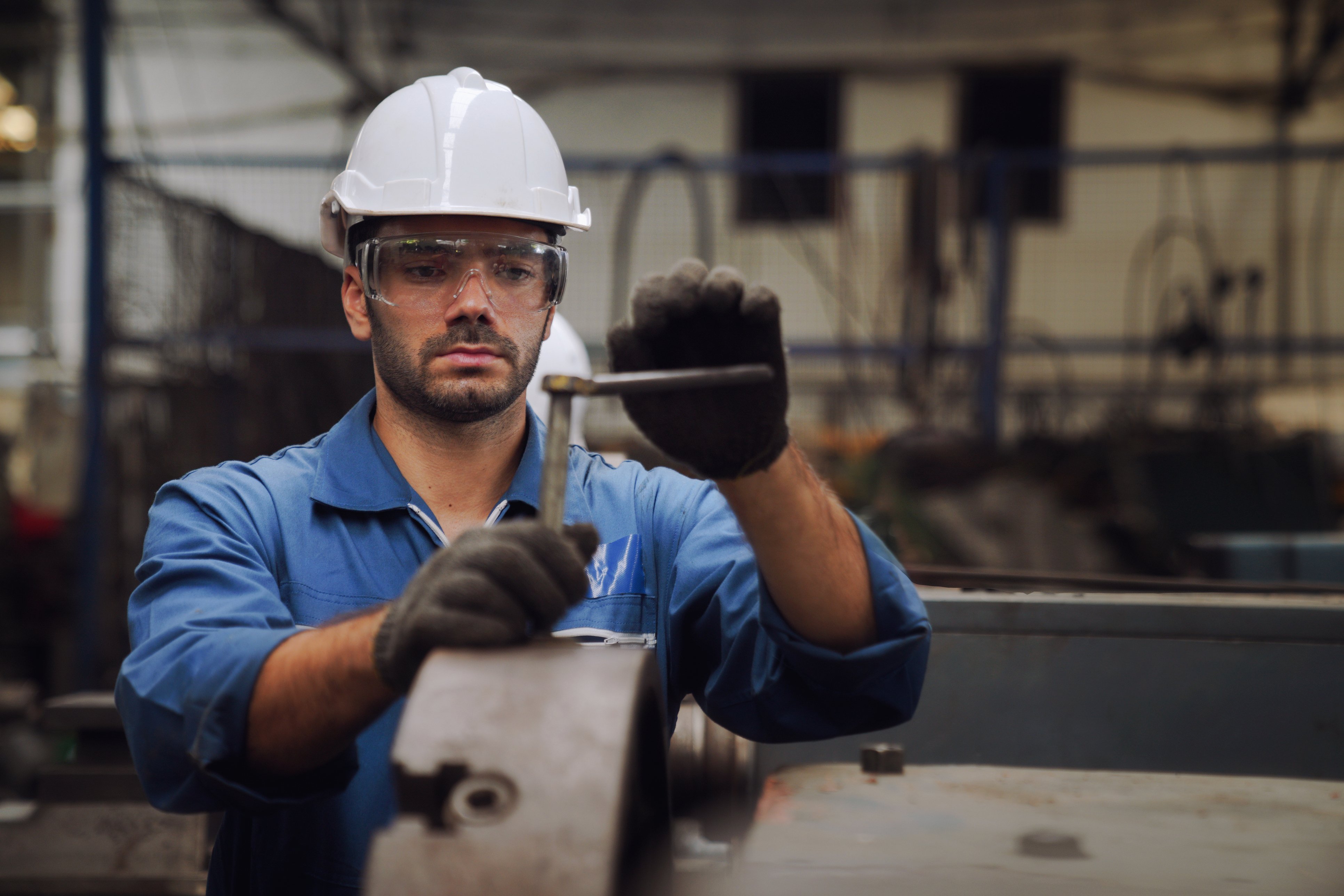
Every experienced millwright carries knowledge that was never written down. The sound a bearing makes a few weeks before it lets go. Which bolts on an older unit tend to seize. How a particular plant likes its permits handled. That kind of knowledge takes decades to build, and across Alberta, a lot of the people who hold it are getting close to retirement.
Most conversations about the skilled trades in Canada focus on headcount: how many workers we need and how quickly we can train them. Those numbers matter. I'd add a second question: what leaves with the people who retire, and whether employers like us are doing enough to pass it on.
A ticket is where learning starts
A Red Seal shows that someone has met a national standard, and that is a real achievement. What a certificate can't capture is the judgment people build on site. Oxygen service work is a good example. The procedure says every part must be cleaned and verified free of oil and grease, because even a trace can become an ignition source. An experienced hand also knows where contamination likes to hide and when to stop and ask a question. That understanding mostly passes from person to person.
Mentorship has to be on purpose
For a long time, our industry assumed experience would rub off. Pair a new hand with a veteran and hope for the best. That works when crews are stable and there is time. It works less well during a compressed turnaround season when senior people are stretched thin. Employers, us included, can do better by giving experienced tradespeople the time and recognition to teach, and by counting mentoring as real work.
Some of the best lessons aren't technical
A good mentor also teaches habits. Writing a clear LEM, the daily record of labour, equipment, and materials, so a client knows exactly what was done. Completing a field-level hazard assessment that reflects the actual job in front of you that day. These habits protect people and build trust, and they are rarely taught in a classroom.
What this means if you're starting out
For anyone considering the trades, this is an opportunity. There is real demand for people willing to learn, and plenty of experienced tradespeople want to pass on what they know. High school students in Alberta can start earning apprenticeship hours through the Registered Apprenticeship Program (RAP). Newcomers with trade experience from another country can apply for an experienced tradesperson assessment through Alberta's skilled trades system (tradesecrets.alberta.ca). Safety courses such as H2S Alive and Standard First Aid are open to anyone and widely expected on industrial sites.
When you talk to employers, ask how they train people and who you would be working alongside. Good shops are usually glad you asked.
At API Industrial Services, we work in the shop and in the field, and the jobs that go best are usually the ones where someone who has done the work a hundred times takes a minute to show someone doing it for the first time.
– Joseph Weipert, Manager, Field Services, API Industrial Services Inc.
Joseph Weipert is the Manager, Field Services at API Industrial Services Inc. in Sturgeon County, Alberta, where he runs the company's field crews for millwright, welding, and portable machining work at client sites. API also runs a millwright, machining, and fabrication shop.